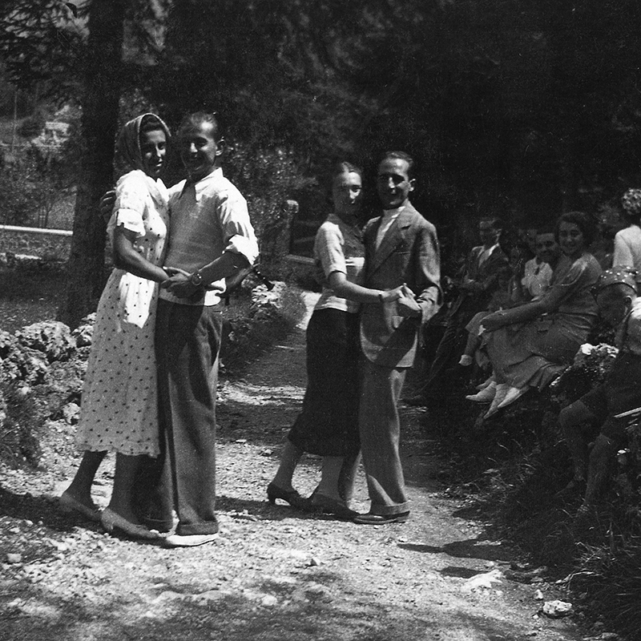
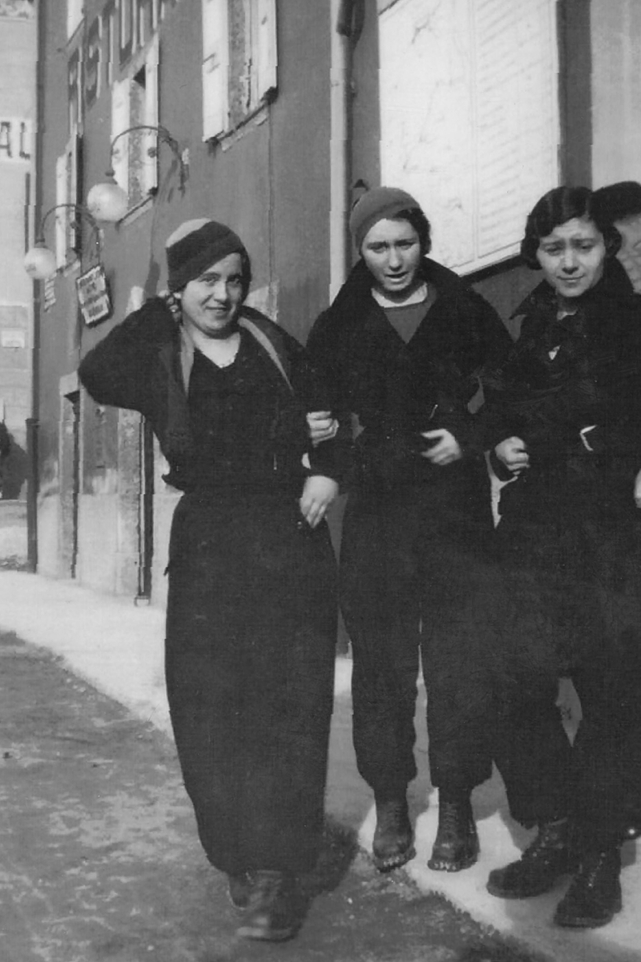
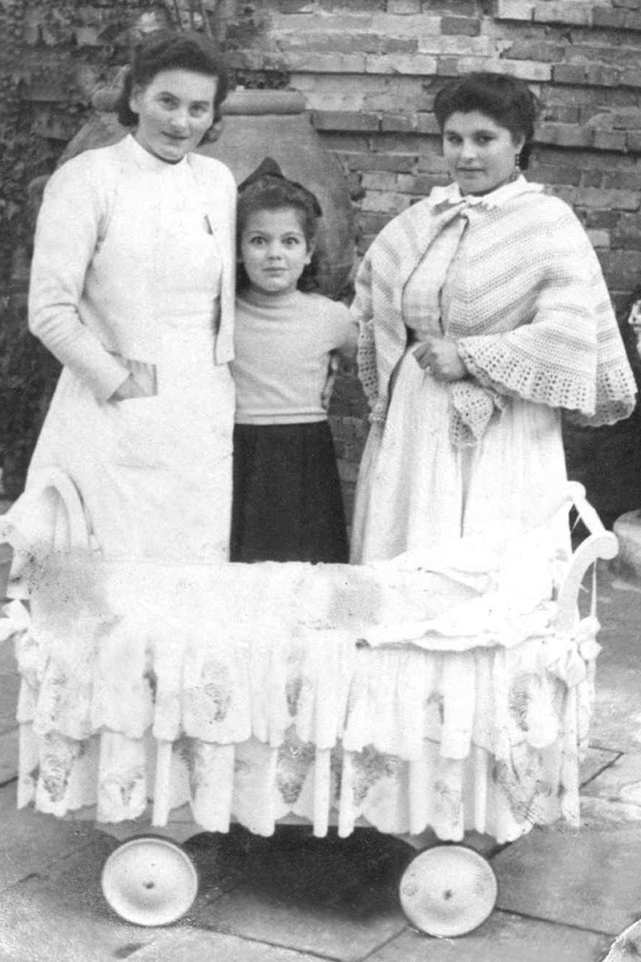
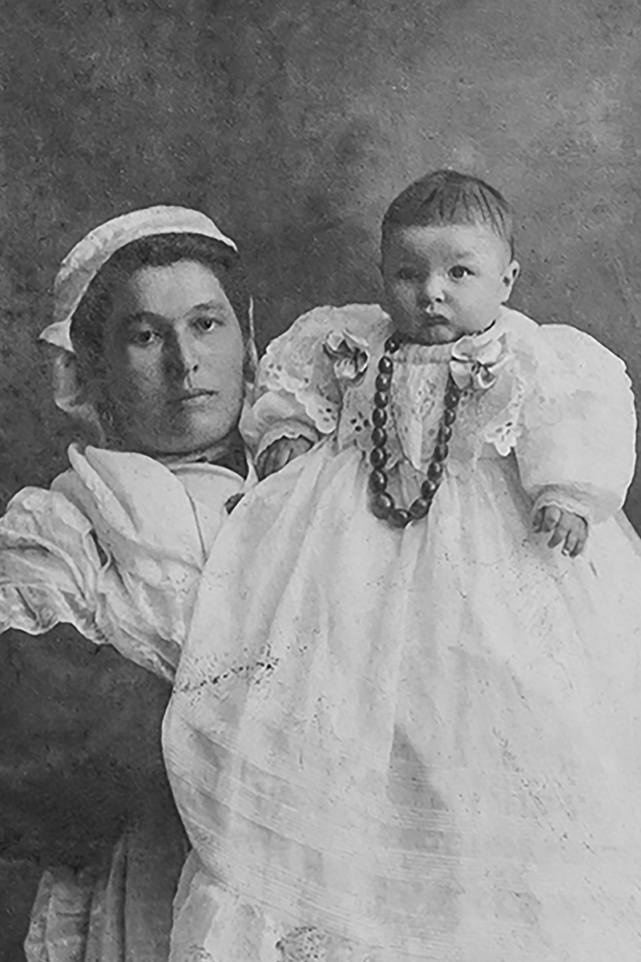
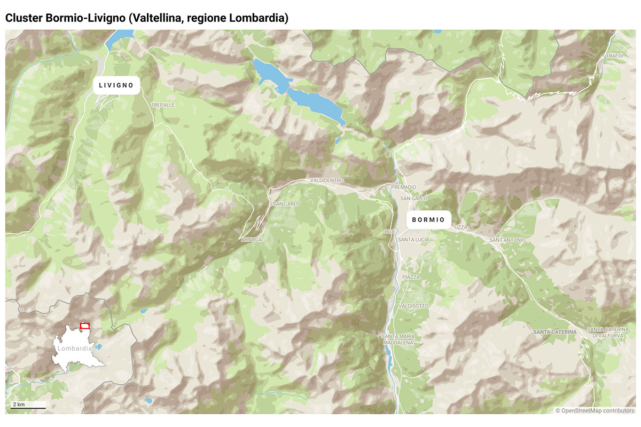
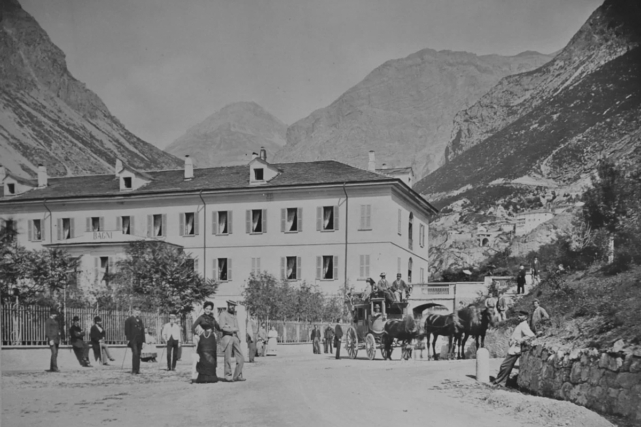
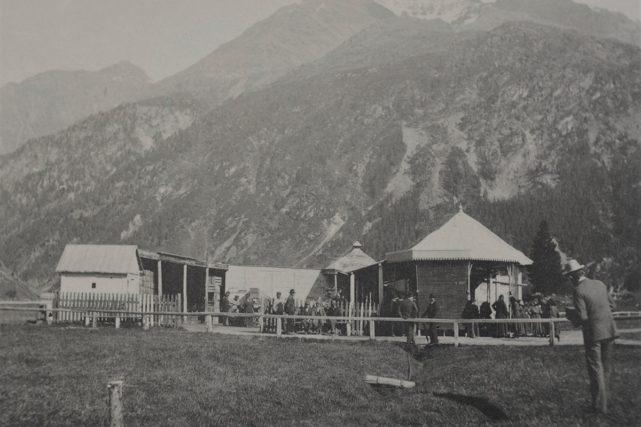
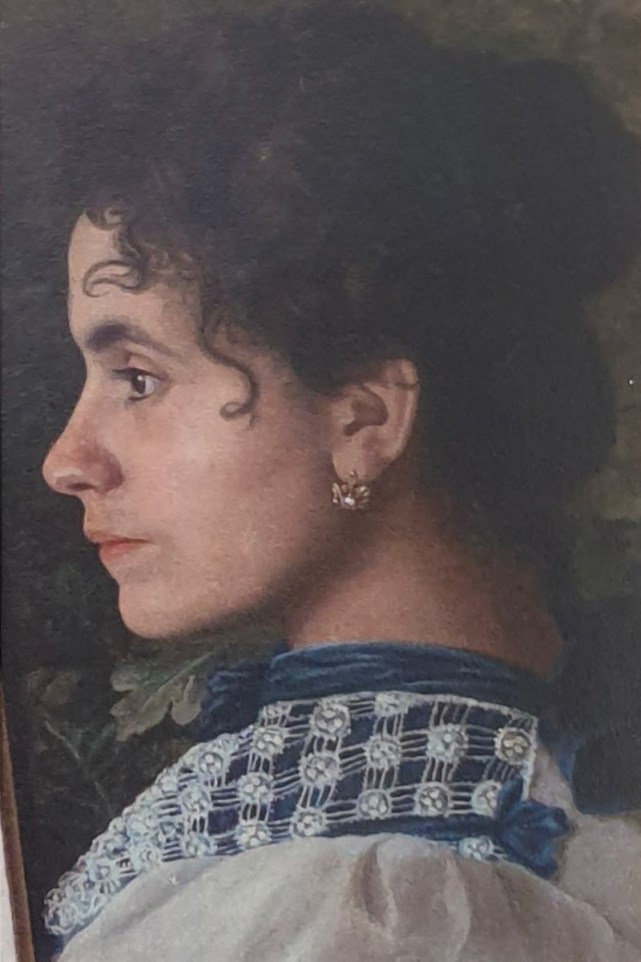
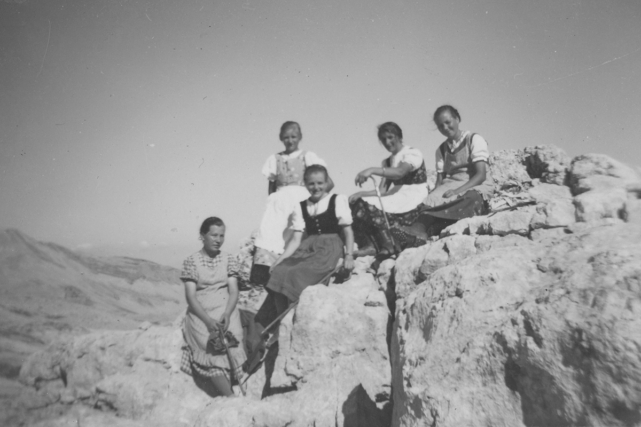
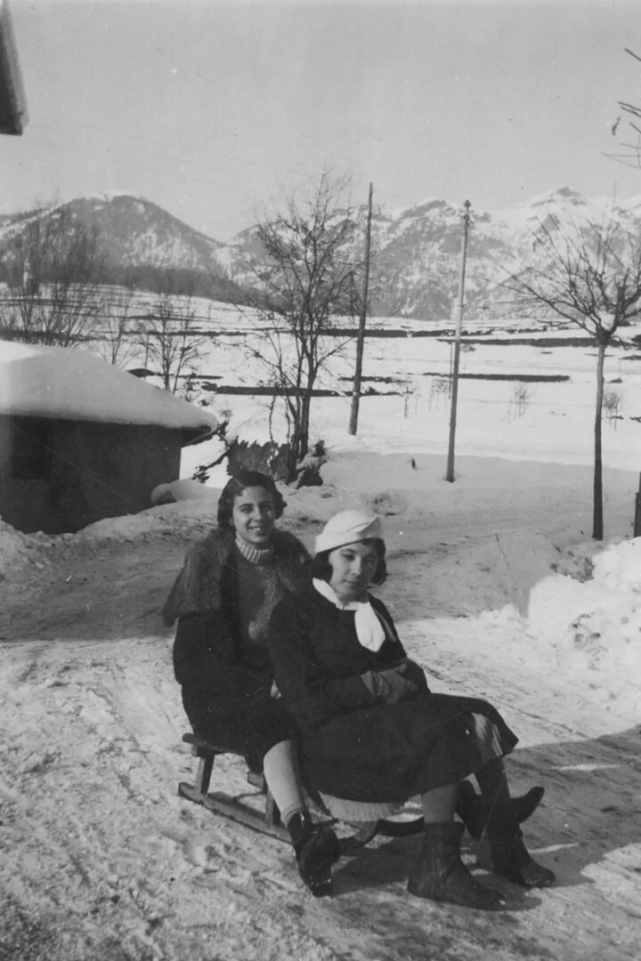
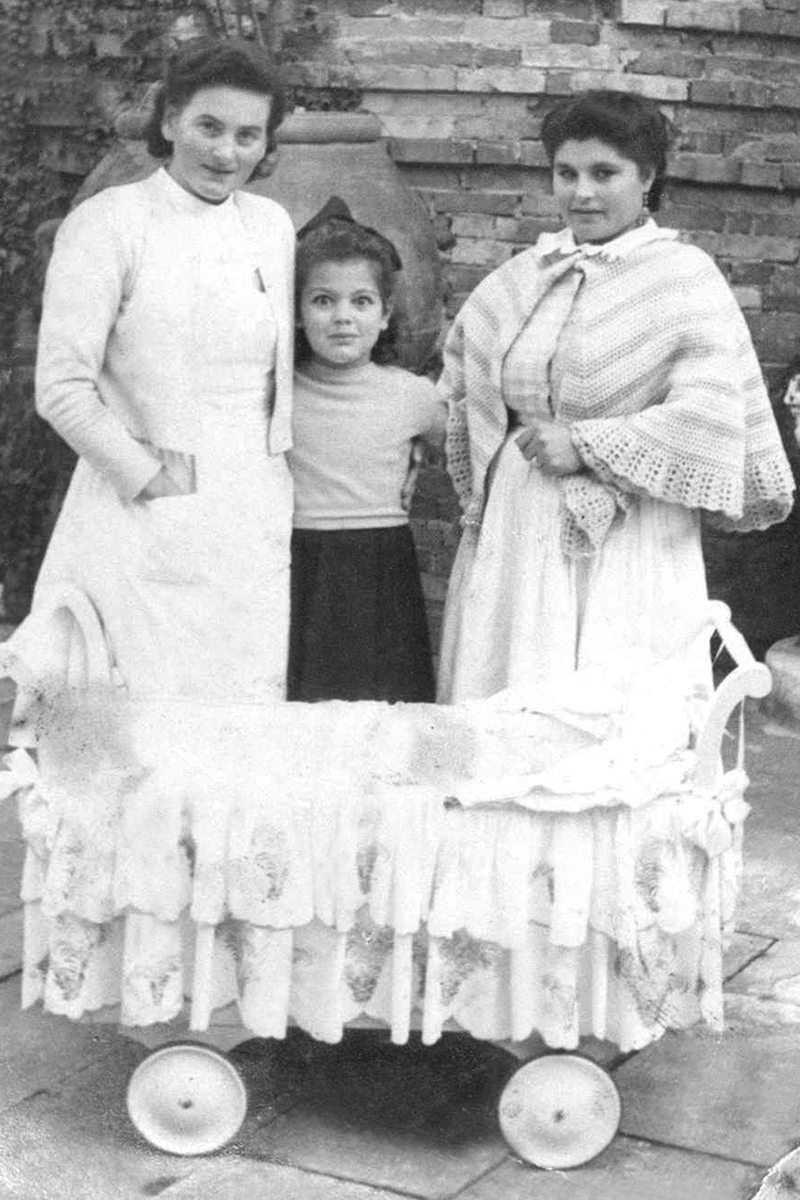
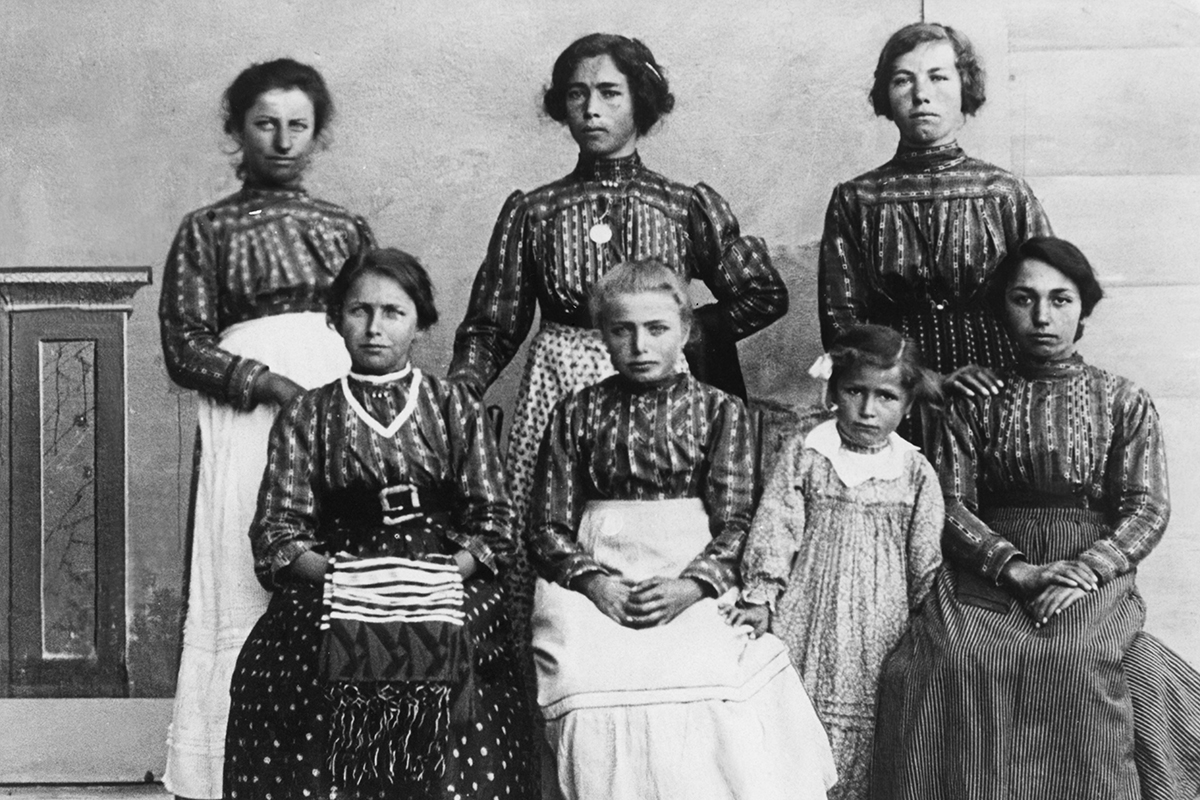
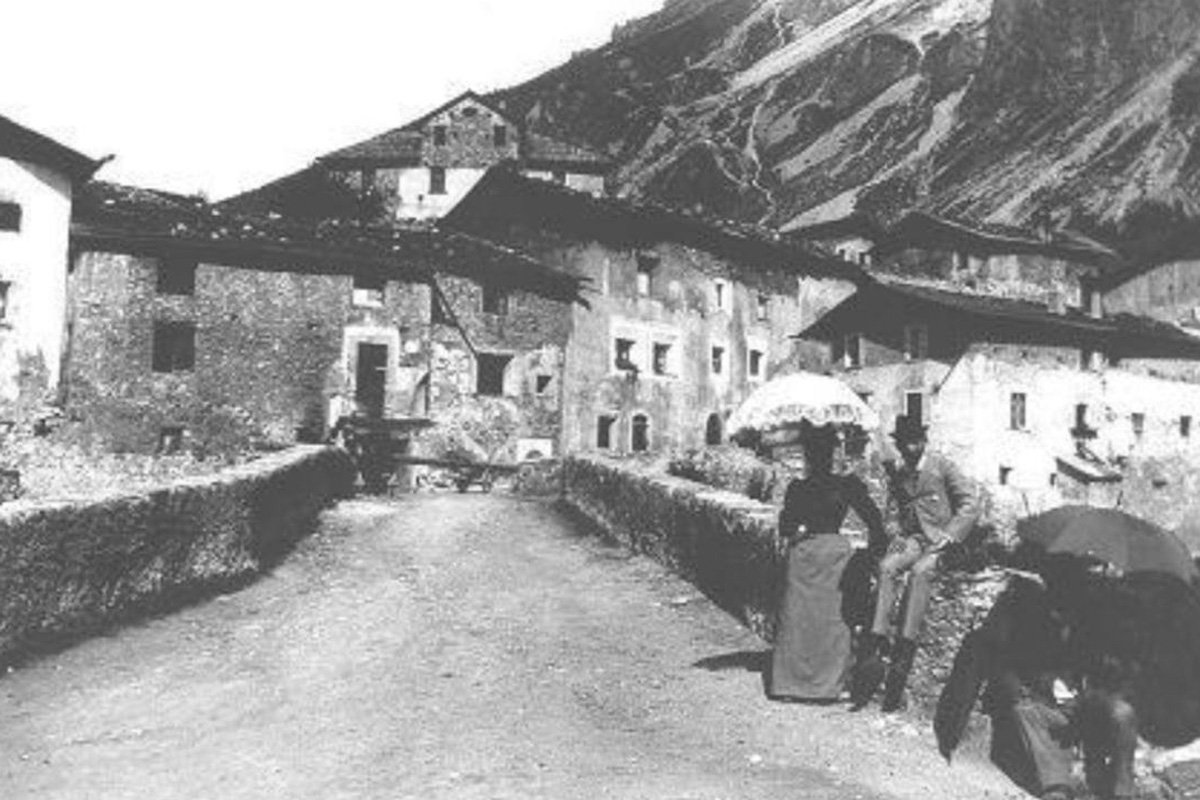
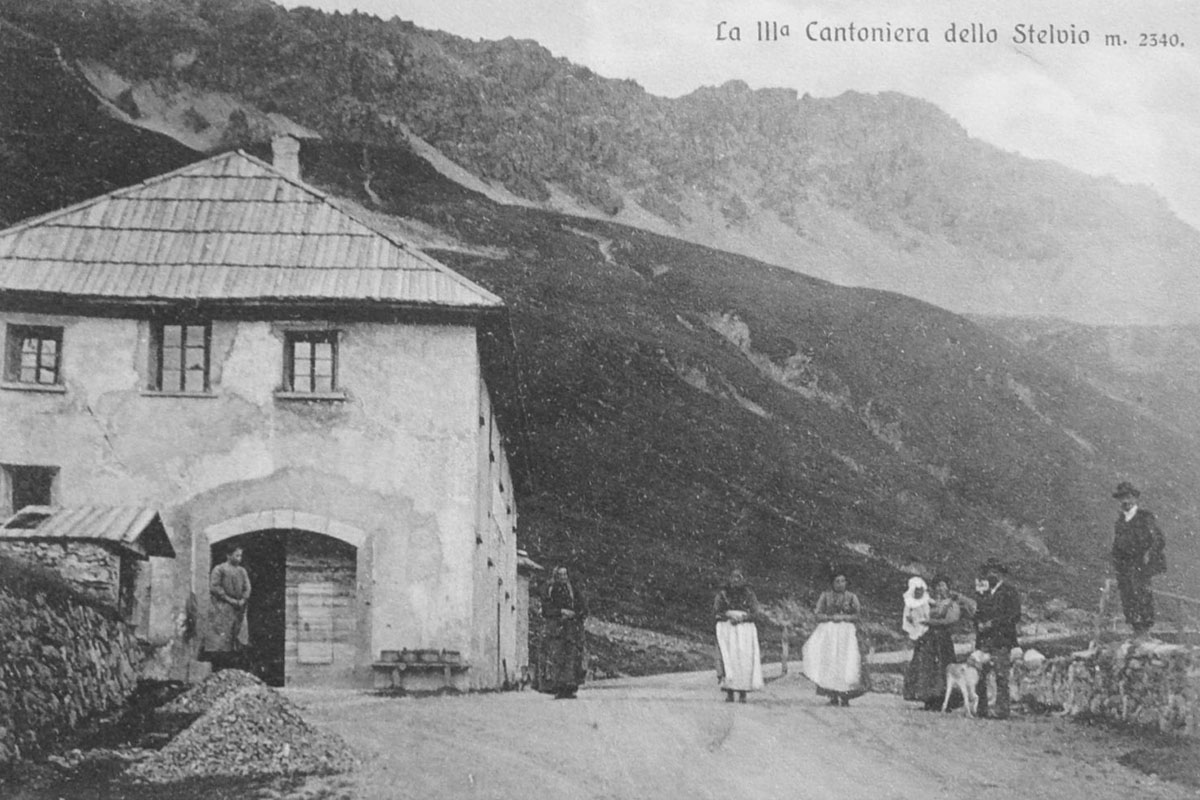
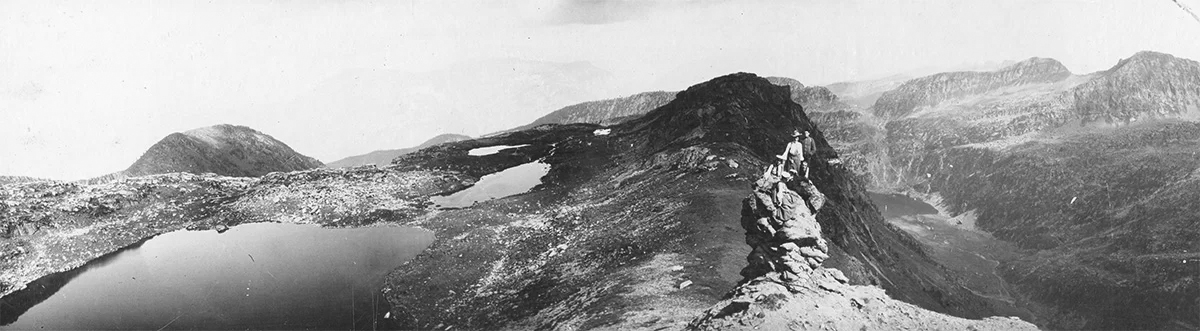
L’avvento del turismo al femminile si delinea in questi territori a partire dalla seconda metà del Diciannovesimo secolo, quando la montagna venne scoperta dai ceti sociali più abbienti che vivevano in città. Lo spazio alpino iniziò ad essere trasformato in spazio turistico, mentre il viaggio diventava prima esperienza di ricerca identitaria e poi affermazione della propria emancipazione. Accanto alle case cantoniere, locande modeste che ospitavano i primi viaggiatori, sorgevano anche i primi grand hotel, che riproponevano il comfort rassicurante delle dimore signorili per ospitare i ricchi forestieri: principi di sangue reale, capitani d’industria e ricchi borghesi italiani e stranieri che animavano eventi mondani e feste da ballo con vista sulle Alpi. La moda dell’alpinismo, ma anche del termalismo e del climatismo terapeutico, con l’apertura di bagni e sanatori per la cura della tubercolosi, e delle nuove comunicazioni stradali e ferroviarie, più di qualunque belvedere, ricoprirono un’importante funzione di traino per viaggiatrici e viaggiatori. Fra le testimonianze di questo turismo alpino al femminile vi sono scatti che immortalano donne giunte a Bormio per cure terapeutiche e in occasione dell’apertura della Strada dello Stelvio, donne che hanno raggiunto Cortina per la Grande Strada delle Dolomiti, inaugurata nel 1909, attraverso i passi di Costalunga, Pordoi e Falzarego.
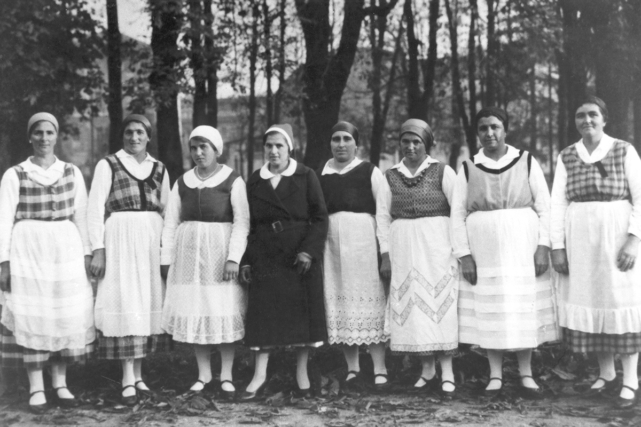
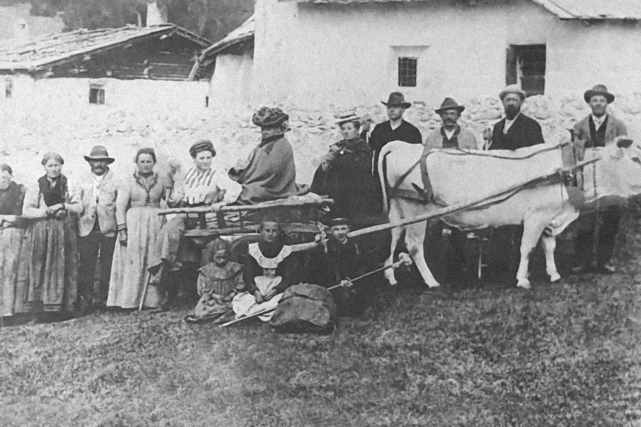
- All’inizio del primo conflitto mondiale, a confrontarsi con l’esperienza del viaggio fu anche un gruppo di donne ladine nell’ampezzano, costrette ad abbandonare le proprie terre e a scappare, prima nelle valli limitrofe, poi in Boemia, con la responsabilità di portare in salvo la famiglia, proteggendo gli anziani e i bambini. Contemporaneamente, sul fronte, le crocerossine lavoravano negli ospedali da campo.
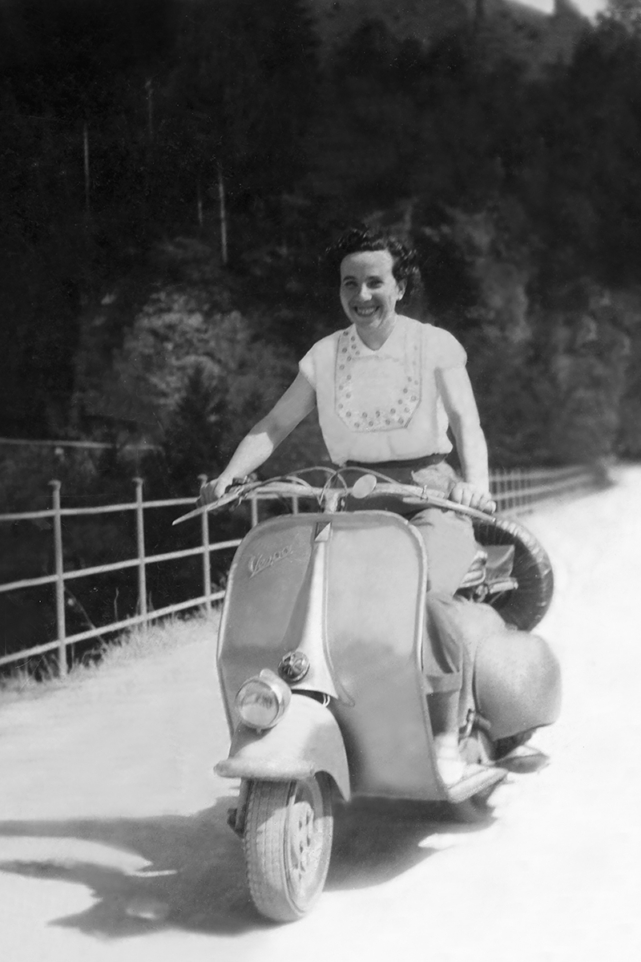
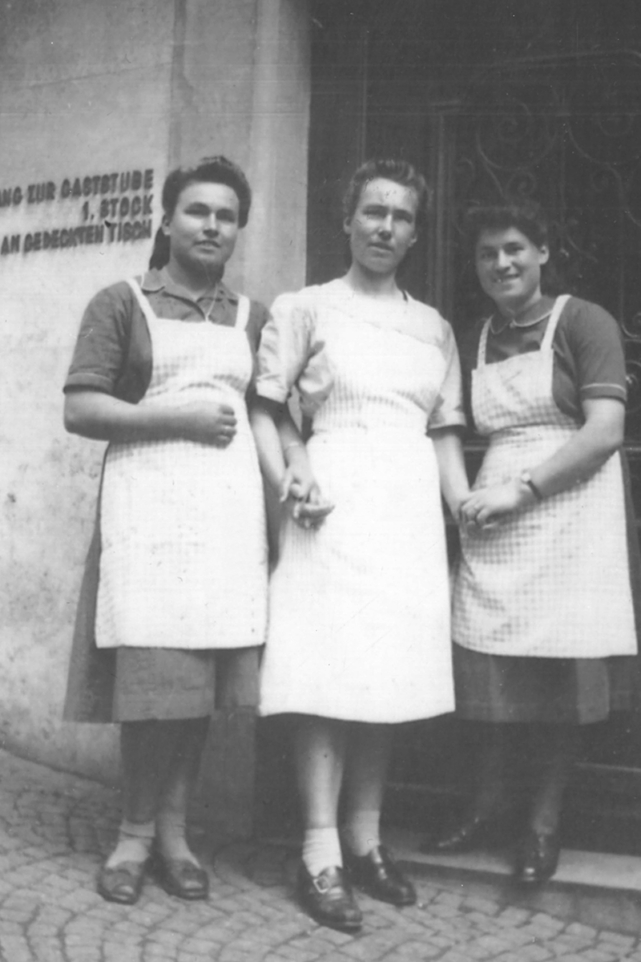
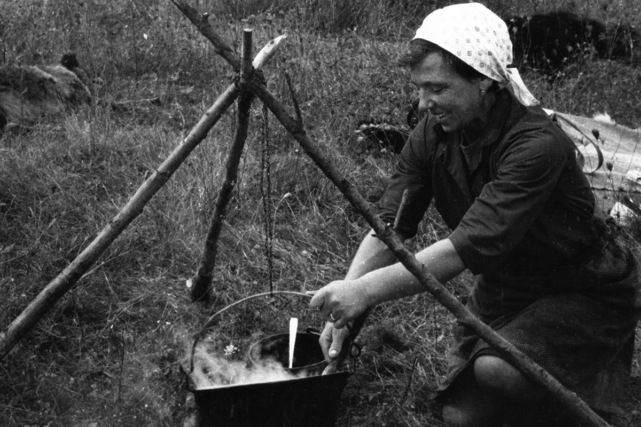
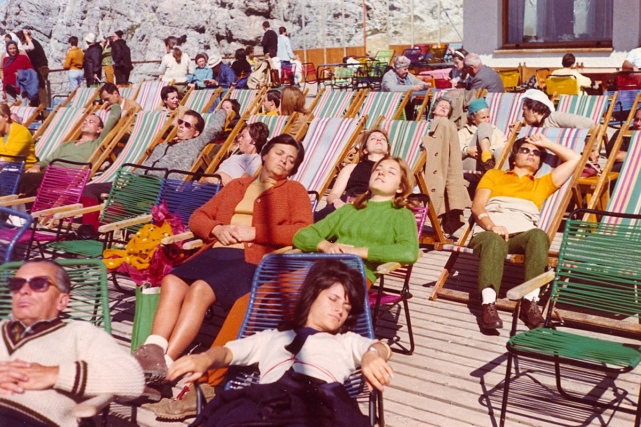
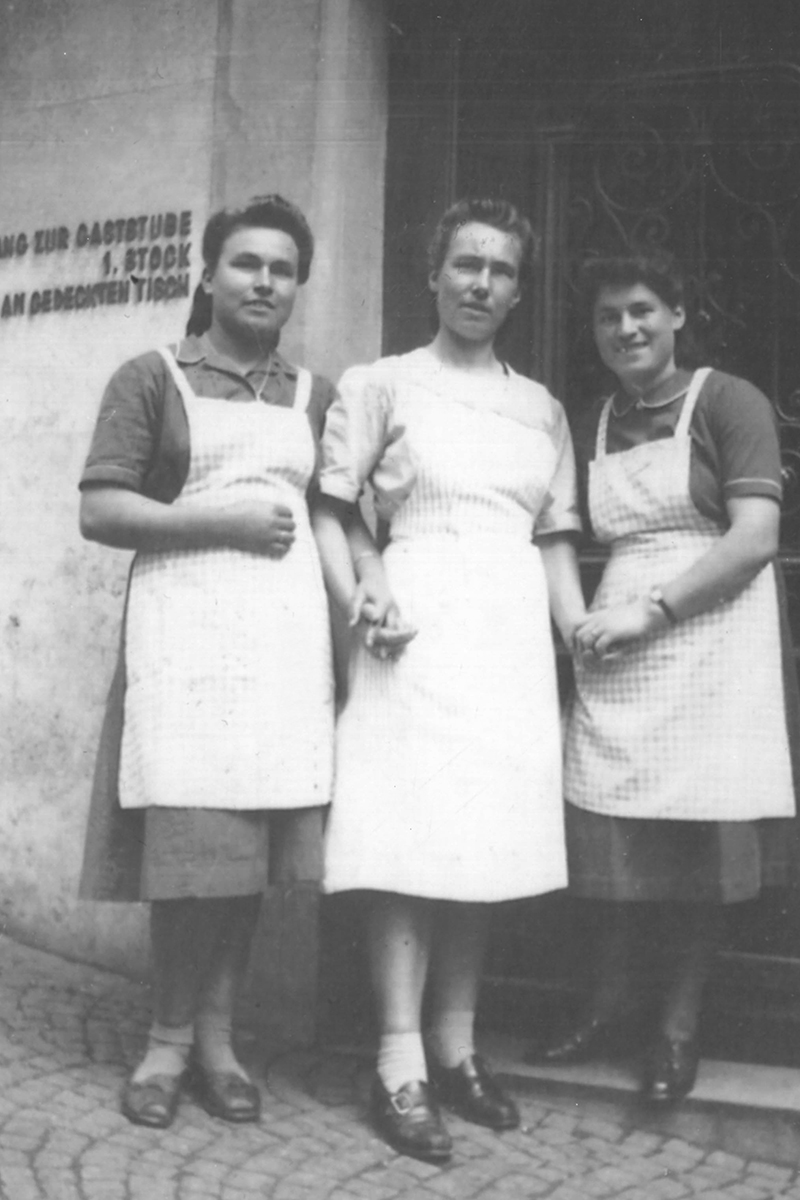
- Con l’avvento del turismo di massa, a partire dagli anni Sessanta del Ventesimo secolo, le viaggiatrici ebbero apparentemente più autonomia, si godevano la neve, il sole e i laghi, immerse nel paesaggio alpino. Tutto ciò contribuiva a costruire uno sguardo diverso sulle Alpi, grazie alla scrittura dei resoconti di viaggio al femminile, in parallelo alle narrazioni al maschile di cartografi ed esploratori. Il turismo in montagna trasformava l’economia locale e l’assetto sociale; diverse iniziavano a essere le strutture alberghiere gestite da donne o in cui le donne erano impiegate.
- The advent of women’s tourism took shape in these territories in the second half of the 19th century when the mountains were discovered by the wealthier social classes living in the city. The Alpine space began to be transformed into a tourist area, as travel became first an experience of identity research and then an affirmation of one’s emancipation. Alongside the “case cantoniere”, modest inns that housed the first travellers, the first grand hotels also sprang up, offering the reassuring comfort of aristocratic dwellings to host wealthy foreigners: princes of royal blood, captains of industry and rich Italian and foreign bourgeoisie who hosted social events and dance parties with a view of the Alps.
The fashion for mountaineering, but also thermalism and therapeutic climatism, with the opening of baths and sanatoriums for the treatment of tuberculosis, and the new road and rail communications, more than any belvederes, played an important role in driving travellers.
Among the testimonies of this female alpine tourism are shots that immortalise women who came to Bormio for treatments and on the occasion of the opening of the Stelvio Road, women who reached Cortina along the Grande Strada delle Dolomiti, inaugurated in 1909, via the Costalunga, Pordoi and Falzarego passes. At the beginning of the First World War, a group of Ladin women in the Ampezzo area were also confronted with the experience of the journey. They were forced to abandon their lands and flee, first to the neighbouring valleys, then to Bohemia, with the responsibility of bringing their families to safety, protecting the elderly and children. At the same time, at the front, the Red Cross nurses worked in field hospitals.
With the advent of mass tourism, starting in the 1960s, female travellers had more autonomy, enjoyed snow, sun and lakes, immersed in the Alpine landscape. All this contributed to a different view of the Alps, thanks to the writing of travel reports by women, in parallel to the male narratives of cartographers and explorers.
Tourism in the mountains transformed the local economy and the social structure; there began to be several hotels run by women or in which women were employed.